
By Stainless Steel Jewelry Wholesale | 22 May 2026
The Retailer’s Blueprint for Sourcing Wholesale Stainless Steel Jewelry
The Retailer’s Blueprint for Sourcing Wholesale Stainless Steel Jewelry
The fashion jewelry market has experienced a major structural shift. While fine metals like gold and sterling silver retain their classic appeal, a resilient alloy has quietly claimed dominant market share in the affordable luxury and everyday-wear categories: stainless steel.
For boutique owners, e-commerce brands, and jewelry retailers, shifting inventory allocation toward wholesale stainless steel jewelry is a highly strategic, low-risk business move. This industry-focused guide breaks down why this metal is capturing the market, how to evaluate material quality, and what to demand from a wholesale partner to protect your brand's reputation.
The Retail Advantage of Stainless Steel
To build a sustainable jewelry brand, inventory must solve consumer pain points while protecting profit margins. Stainless steel excels at both, offering distinct structural advantages over traditional fashion jewelry base metals like brass, zinc alloys, or copper.
Hypoallergenic Appeal: Allergic contact dermatitis caused by nickel is one of the most common consumer complaints in fashion jewelry. High-grade stainless steel is inherently hypoallergenic, making it a safe choice for shoppers with sensitive skin.
Oxidation and Tarnish Resistance: Unlike sterling silver, which requires regular polishing to combat tarnish, or brass, which can leave a green residue on the skin, stainless steel does not oxidize when exposed to air, sweat, or moisture.
The "Waterproof" Marketing Edge: Because the metal is highly resistant to corrosion, retailers can confidently market these pieces as "waterproof" or "sweat-proof." This low-maintenance quality is a massive selling point for modern consumers who favor "wear-and-forget" accessories.
From a logistics standpoint, this durability means your wholesale stock won't degrade, discolor, or lose its luster while sitting in a fulfillment warehouse or under hot retail display lights.
Verifying Material Specs: 316L vs. 304 Grade
When sourcing from wholesale jewelry suppliers, you cannot afford to be vague about metallurgical specifications. The term "stainless steel" covers a wide variety of alloys, but only two primarily circulate in the jewelry manufacturing industry:
316L Stainless Steel (Jewelry Grade): This is the gold standard for high-quality fashion jewelry and body piercings. The "L" stands for low carbon. It contains molybdenum, an element that significantly boosts corrosion resistance against chlorides (like sweat and saltwater).
304 Stainless Steel: This grade is more common in commercial housewares and lower-end fashion pieces. While still highly durable, it lacks molybdenum, making it slightly more susceptible to pitting and corrosion over long-term exposure to harsh environments. It is cheaper to source but offers a slightly lower premium tier.
Expert Procurement Tip: To establish true authority and comply with global consumer safety acts (such as the EU Nickel Directive or California’s Prop 65), always ask a prospective wholesaler for a Material Technology Data Sheet (MTDS) or an independent laboratory test report from agencies like SGS or Intertek. Verifying that your stock is authentic 316L protects your business from liability and customer returns.
Evaluating Plating Methods: Why PVD Coating Wins
For retailers sourcing gold, rose gold, or black finishes, the longevity of the color determines whether a customer becomes a repeat buyer or writes a negative review. Traditional electroplating—which chemically deposits a microscopic layer of gold onto the steel—notoriously flakes, rubs off, or wears away within weeks of daily wear.
High-tier manufacturers utilize PVD (Physical Vapor Deposition) Coating inside a vacuum chamber.
During this process, real gold (typically 14k or 18k) is vaporized into a high-energy plasma and blasted onto the stainless steel at a molecular level. This creates an incredibly dense, hard-wearing bond that is up to ten times thicker than standard plating. While PVD-coated wholesale pieces carry a slightly higher upfront unit cost, the dramatic reduction in customer returns makes it the only viable choice for an authoritative brand.
Navigating Supplier Relations and Logistics
Securing a reliable wholesale partner requires evaluating their operational capabilities alongside their product catalog. Keep these three structural pillars in mind during negotiations:
Minimum Order Quantities (MOQs): Factory-direct manufacturers typically offer the lowest per-unit costs but require high MOQs per style (e.g., 3–10 pieces). If you are testing a new market or running a boutique, look for open-stock domestic distributors who offer a lower financial barrier to entry (e.g., a flat $150 minimum order value across mixed styles), scaling up to direct manufacturing contracts as your sales volume stabilizes.
Custom Manufacturing (OEM/ODM): As your brand scales, differentiation is key. Many data-driven wholesalers provide OEM (Original Equipment Manufacturer) services. This allows you to supply custom digital CAD designs or request your brand’s logo to be clean laser-engraved directly onto jewelry clasps, tags, or backings.
Quality Control Frameworks: Always run a small sample order before committing to a major production run. Physically inspect the structural integrity of the pieces: test the tension of the lobster clasps, check the uniformity of the high-polish or brushed finishes, and verify that stone settings (such as cubic zirconia) are securely flush-set rather than lazily glued.
By prioritizing structural transparency, demanding verified 316L steel, and investing in PVD coating, your retail brand can confidently build a high-margin, highly reputable jewelry business that converts first-time buyers into lifelong customers.
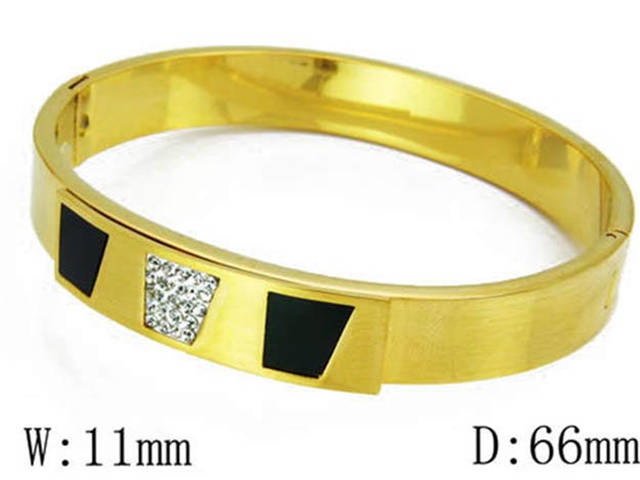
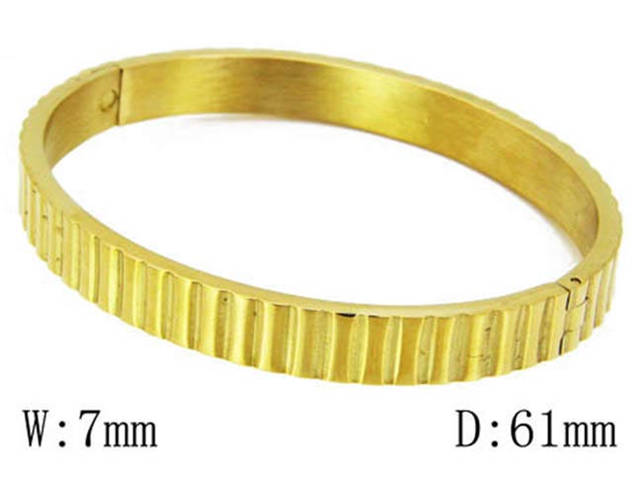
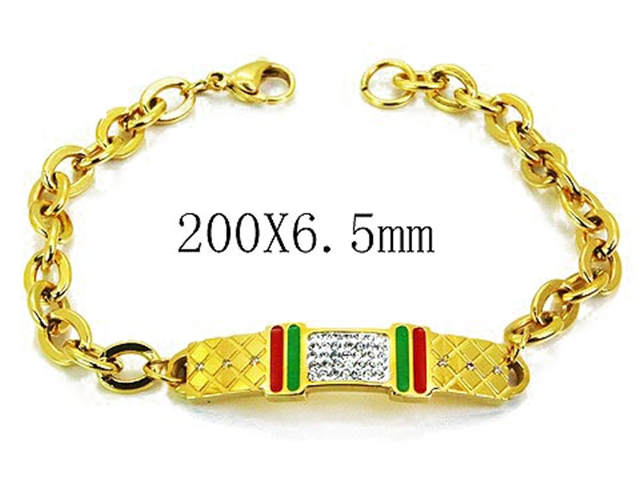
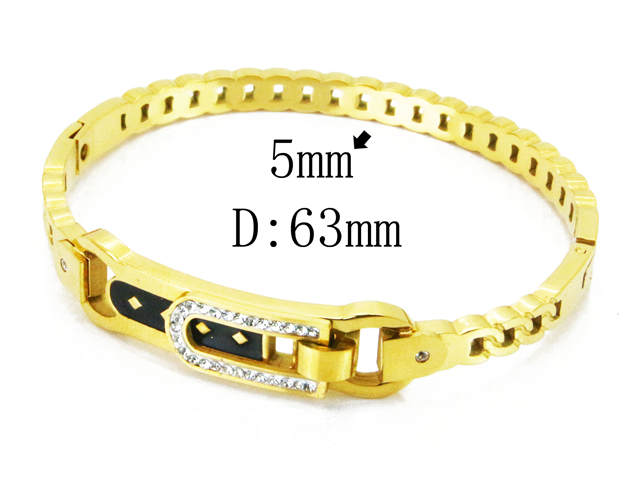
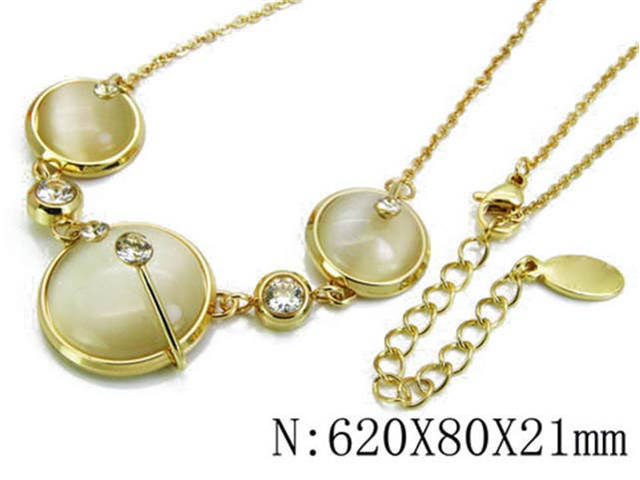
The fashion jewelry market has experienced a major structural shift. While fine metals like gold and sterling silver retain their classic appeal, a resilient alloy has quietly claimed dominant market share in the affordable luxury and everyday-wear categories: stainless steel.
For boutique owners, e-commerce brands, and jewelry retailers, shifting inventory allocation toward wholesale stainless steel jewelry is a highly strategic, low-risk business move. This industry-focused guide breaks down why this metal is capturing the market, how to evaluate material quality, and what to demand from a wholesale partner to protect your brand's reputation.
The Retail Advantage of Stainless Steel
To build a sustainable jewelry brand, inventory must solve consumer pain points while protecting profit margins. Stainless steel excels at both, offering distinct structural advantages over traditional fashion jewelry base metals like brass, zinc alloys, or copper.
Hypoallergenic Appeal: Allergic contact dermatitis caused by nickel is one of the most common consumer complaints in fashion jewelry. High-grade stainless steel is inherently hypoallergenic, making it a safe choice for shoppers with sensitive skin.
Oxidation and Tarnish Resistance: Unlike sterling silver, which requires regular polishing to combat tarnish, or brass, which can leave a green residue on the skin, stainless steel does not oxidize when exposed to air, sweat, or moisture.
The "Waterproof" Marketing Edge: Because the metal is highly resistant to corrosion, retailers can confidently market these pieces as "waterproof" or "sweat-proof." This low-maintenance quality is a massive selling point for modern consumers who favor "wear-and-forget" accessories.
From a logistics standpoint, this durability means your wholesale stock won't degrade, discolor, or lose its luster while sitting in a fulfillment warehouse or under hot retail display lights.
Verifying Material Specs: 316L vs. 304 Grade
When sourcing from wholesale jewelry suppliers, you cannot afford to be vague about metallurgical specifications. The term "stainless steel" covers a wide variety of alloys, but only two primarily circulate in the jewelry manufacturing industry:
316L Stainless Steel (Jewelry Grade): This is the gold standard for high-quality fashion jewelry and body piercings. The "L" stands for low carbon. It contains molybdenum, an element that significantly boosts corrosion resistance against chlorides (like sweat and saltwater).
304 Stainless Steel: This grade is more common in commercial housewares and lower-end fashion pieces. While still highly durable, it lacks molybdenum, making it slightly more susceptible to pitting and corrosion over long-term exposure to harsh environments. It is cheaper to source but offers a slightly lower premium tier.
Expert Procurement Tip: To establish true authority and comply with global consumer safety acts (such as the EU Nickel Directive or California’s Prop 65), always ask a prospective wholesaler for a Material Technology Data Sheet (MTDS) or an independent laboratory test report from agencies like SGS or Intertek. Verifying that your stock is authentic 316L protects your business from liability and customer returns.
Evaluating Plating Methods: Why PVD Coating Wins
For retailers sourcing gold, rose gold, or black finishes, the longevity of the color determines whether a customer becomes a repeat buyer or writes a negative review. Traditional electroplating—which chemically deposits a microscopic layer of gold onto the steel—notoriously flakes, rubs off, or wears away within weeks of daily wear.
High-tier manufacturers utilize PVD (Physical Vapor Deposition) Coating inside a vacuum chamber.
During this process, real gold (typically 14k or 18k) is vaporized into a high-energy plasma and blasted onto the stainless steel at a molecular level. This creates an incredibly dense, hard-wearing bond that is up to ten times thicker than standard plating. While PVD-coated wholesale pieces carry a slightly higher upfront unit cost, the dramatic reduction in customer returns makes it the only viable choice for an authoritative brand.
Navigating Supplier Relations and Logistics
Securing a reliable wholesale partner requires evaluating their operational capabilities alongside their product catalog. Keep these three structural pillars in mind during negotiations:
Minimum Order Quantities (MOQs): Factory-direct manufacturers typically offer the lowest per-unit costs but require high MOQs per style (e.g., 3–10 pieces). If you are testing a new market or running a boutique, look for open-stock domestic distributors who offer a lower financial barrier to entry (e.g., a flat $150 minimum order value across mixed styles), scaling up to direct manufacturing contracts as your sales volume stabilizes.
Custom Manufacturing (OEM/ODM): As your brand scales, differentiation is key. Many data-driven wholesalers provide OEM (Original Equipment Manufacturer) services. This allows you to supply custom digital CAD designs or request your brand’s logo to be clean laser-engraved directly onto jewelry clasps, tags, or backings.
Quality Control Frameworks: Always run a small sample order before committing to a major production run. Physically inspect the structural integrity of the pieces: test the tension of the lobster clasps, check the uniformity of the high-polish or brushed finishes, and verify that stone settings (such as cubic zirconia) are securely flush-set rather than lazily glued.
By prioritizing structural transparency, demanding verified 316L steel, and investing in PVD coating, your retail brand can confidently build a high-margin, highly reputable jewelry business that converts first-time buyers into lifelong customers.
